
Faerber Construction
$2,648 in Ad Spend. $85,000 in Revenue. Booked Through June. (3 months ahead)
68 Days of Ads Running
32x
Return On Ad Spend
$85,000
Revenue Generated
The Client
Faerber Construction — Custom Deck Builder & General Contractor
Location: Canton, MI / Southeast Michigan
Service: Meta Ads (Facebook & Instagram)
Case Study Timeframe: February 1 – April 9, 2026
The Challenge
Faerber Construction is a family-owned general contracting company based in Canton, Michigan. Owner and licensed builder David has nearly 20 years of experience in residential renovations, with a growing focus on custom deck builds. Great reputation, quality craftsmanship, strong reviews; but like a lot of contractors, David didn’t have a predictable system for filling the pipeline heading into spring.
For a deck builder, timing is everything. The window between when homeowners start thinking about outdoor projects and when they actually pull the trigger is short. If you’re not in front of them early, your competitors are. David needed a way to generate demand before the season hit — not react to it after the phone started ringing on its own.
What We Did
We built a Meta Ads campaign (Facebook and Instagram) designed to put Faerber Construction in front of homeowners who were planning outdoor projects before they ever searched Google or called a competitor.
Targeted Audience Building — We targeted homeowners within a 25-mile radius of Canton, focusing on people with household demographics and interests aligned with home improvement and outdoor living. This wasn’t a spray-and-pray approach. We built an audience that matched the kind of homeowner who actually invests in a custom deck.
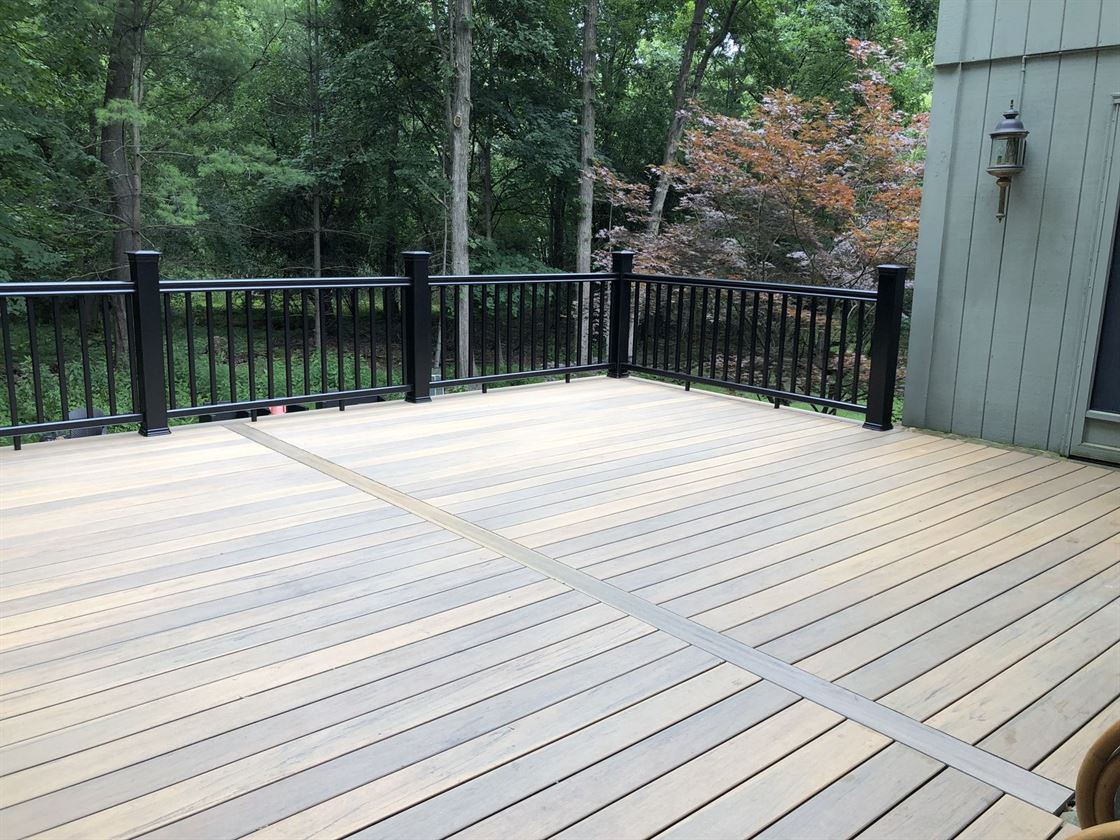
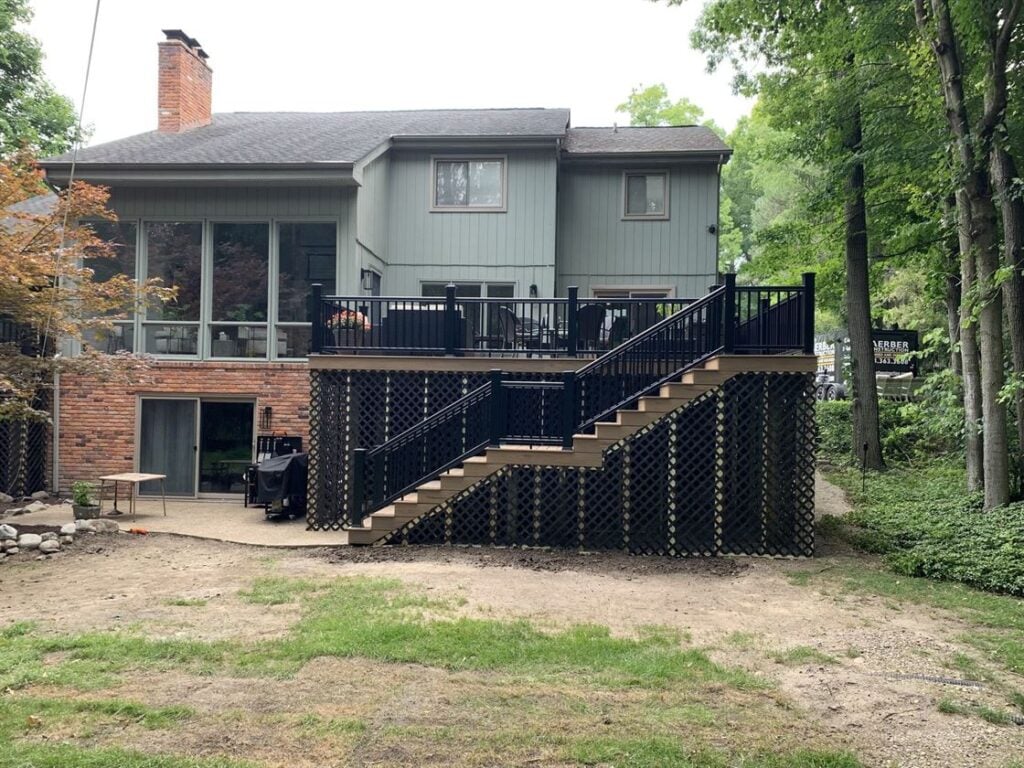
Visual-First Creative Strategy — Deck building is a visual sell. We ran image and carousel ads featuring real project photos: finished decks, before-and-after transformations, detailed shots of craftsmanship. On Facebook and Instagram, the work does the talking. Homeowners scrolling through their feed see a beautiful deck and think “I want that in my backyard.”
Seasonal Timing and Early Demand Capture — We launched the Spring 2026 campaign on January 1st, intentionally getting in front of homeowners weeks before deck season demand peaks. By the time competitors started advertising in March and April, David already had a full pipeline. This is the difference between chasing demand and creating it.
Geo-Targeting with Exclusion Zones — We targeted a 25-mile radius with exclusions for areas outside his realistic service range. Every dollar of ad spend reached homeowners he could actually serve.
The Results
in New Revenue
For every dollar spent on Meta Ads, Faerber Construction earned over $32 back in closed revenue. And that only accounts for jobs that have been sold so far. There are additional opportunities still in the pipeline that haven’t been quoted or closed yet.
Leads Generated
The campaign generated 36 leads from homeowners actively interested in deck projects. At just under $74 per lead for a high-ticket service where a single job can be worth thousands, the math works from the very first conversion.
Homeowners Reached
Over 21,000 unique homeowners in the Canton area saw Faerber Construction’s work in their Facebook and Instagram feeds. That kind of brand visibility doesn’t just drive immediate leads. It plants seeds with homeowners who may not be ready today but will remember the name when they are.
The Real Question
Here’s what this case study comes down to for any contractor reading this:
Do you have confidence right now that your marketing has you booked 3 months out?
Most contractors go into spring hoping the phone rings. David went into spring with a full calendar and leads still coming in because he had a system running before the season even started. That’s the difference between hoping for work and planning for growth.
Whether you build decks, run an HVAC company, do roofing, plumbing, painting, or any other trade, the opportunity is the same. The homeowners are out there. They’re scrolling Facebook right now, thinking about their next project. The only question is whether they see your work or your competitor’s.